Testifying as a forensic engineer, James Keith McElveen explained the limitations and processing of an enhanced restaurant recording and authenticated the related audio and synchronized-video exhibits.
Expert witnessFlorida State University
James Keith McElveen
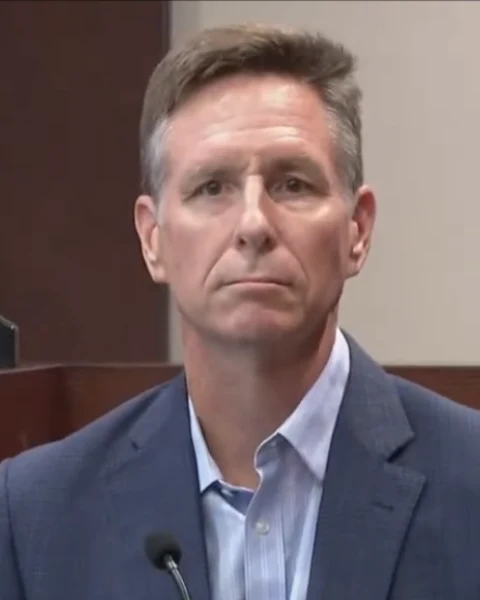
Forensic audio engineer who authenticated enhanced restaurant recordings, including the Dolce Vita and Matsuri recordings, as a prosecution witness in the Magbanua retrial, Charlie Adelson trial, and Donna Adelson trial.
166 lines·12 proceedings·3 mentions·3 trials
About
James Keith McElveen testified as a forensic engineer and audio-forensics expert about processing noisy restaurant recordings used in the case. He explained that he worked in segments where necessary, suppressed background sound, and emphasized selected voices while leaving the recorded content unchanged. His testimony supported the admission and identification of enhanced-audio and synchronized-video exhibits. Under cross-examination, he acknowledged that distance, acoustics, low volume, one-sided capture, and whispering left some speech unclear or unrecoverable, while maintaining that processing made additional words intelligible. He also confined his opinion to the audio rather than transcript accuracy, clarified when video had simply been paired with previously processed sound, and identified audio he had not reviewed. In the 2025 proceeding, a disclosure inquiry concerning an enhanced version ended with a finding that the late disclosure was inadvertent and caused no prejudice.
Trial Record (12)
Testifying on Day 4, James Keith McElveen explained his forensic processing of the Dolce Vita and Matsuri recordings and addressed the limits of what enhancement could recover.
Day 4
Testifying as an audio-forensics expert, James Keith McElveen explained his noise-suppression work on restaurant recordings and the limits of his opinion. Cross-examination examined the scope of that work and audio he had not reviewed.
Day 4
Day 5
No proceedings match this filter.