Robert R. Wheeler presided for eight days, resolving evidentiary and discovery disputes, directing the presentation of evidence, and instructing the jury on the charges and burden of proof. On Day 8, he received and read the jury's guilty verdicts on all three counts, polled the jurors, and ordered a presentence investigation before sentencing.
JudgeLeon County Circuit Court
Robert R. Wheeler
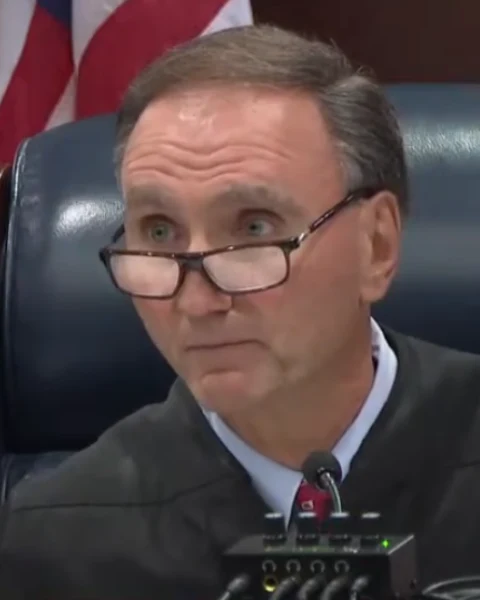
Judge who presided over the Magbanua retrial, ruling on evidence and jury instructions and receiving guilty verdicts on all three counts.
AppearedMagbanua Retrial
2,085 lines·161 proceedings
About
Robert R. Wheeler set the courtroom framework and presided for all eight days. On Day 1, he instructed the sworn jurors on the charges, the State's burden of proof, the treatment of evidence, and the prohibition against discussing or independently researching the case. He also managed stipulations, witness sequestration, expert access, exhibits, examination practices, and the daily trial schedule.
Wheeler resolved recurring evidentiary and discovery disputes. He limited Wendi Adelson's cross-examination to the scope of the State's direct examination, ruled that the alleged murder-for-hire conspiracy could continue until payment for purposes of challenged co-conspirator statements, and addressed claimed discovery violations. He excluded calls between defense counsel and Sigfredo Garcia as work product, excluded Spanish jail calls, permitted English calls for the State's stated impeachment use, rejected a Crawford challenge to Adelson wiretap calls, and admitted two undercover-call exhibits only for context and the fact of contact rather than for the truth of their contents. He also denied the defense's initial and renewed motions for judgment of acquittal, allowing all three charges to go to the jury.
At the charge conference, Wheeler retained lesser-included homicide instructions, revised the principal-liability language, removed an independent-act instruction, and established deliberation procedures. On Day 8, he instructed jurors on the charged offenses, reasonable doubt, witness evaluation, separate consideration of each count, and unanimous written verdicts. During deliberations, he handled an exhibit request and arranged headphone playback of a recorded exhibit.
When the jury returned, Wheeler confirmed that the verdict form was in proper order and read the jury's guilty verdicts on all three counts. He then polled all 12 jurors, each of whom affirmed the verdict, instructed them about the privacy of deliberations, ordered their notes collected and destroyed without review, and excused them. The court ordered a presentence investigation and deferred sentencing for approximately 30 days.
Trial Record (161)
No proceedings match this filter.